A system is not a set of restrictions. It is a shared memory: a way for a team to remember what makes the work feel like itself when the original designer is no longer in the room.
That memory can take many forms. It might be a type scale, a collection of editorial rules, a library of components, or a familiar rhythm between image and word. What matters is not the number of rules. It is whether the rules express a point of view that people can use.
Consistency is a starting point.
We often hear that a system should make everything consistent. It should, but that is only the first job. Consistency creates recognition; it tells people that two moments belong to the same world. The more interesting job is to create enough flexibility for the world to stay alive.
Rigid systems tend to age quickly because they cannot respond to a new story, a new channel, or a new collaborator. Flexible systems have a clearer center. They distinguish between the things that must stay stable and the things that are allowed to change.
“A useful system protects the principle, not the exact arrangement.”
Give people a way to play.
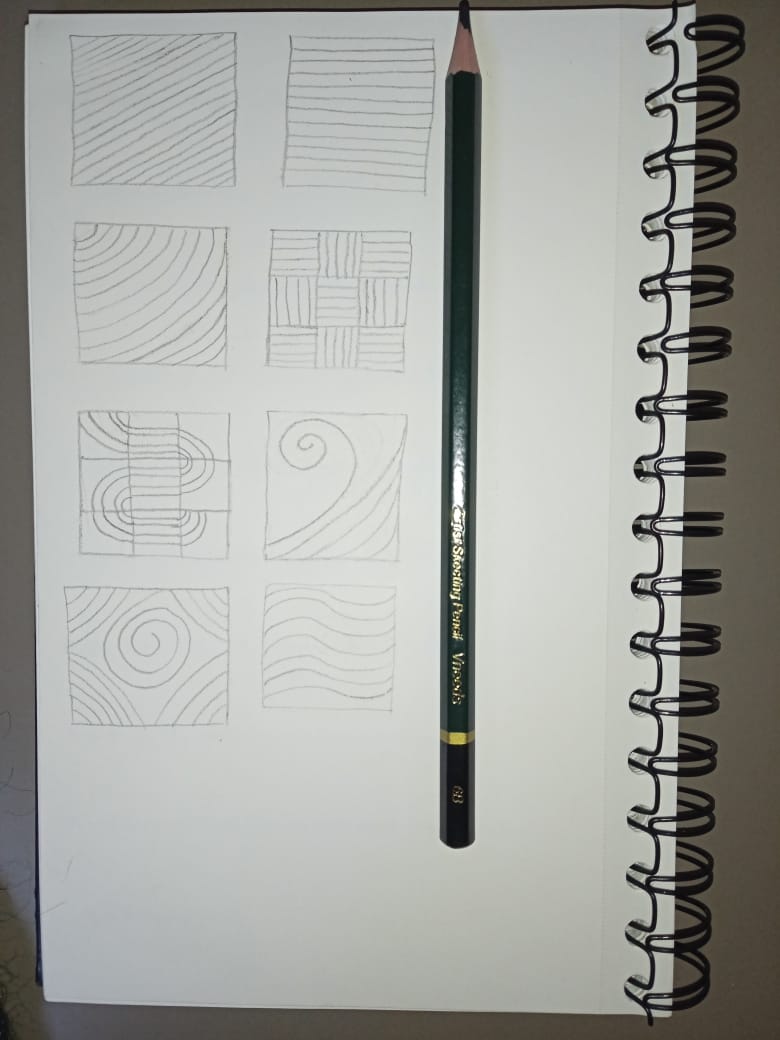
When we build an identity or a digital toolkit, we look for a few components that can generate many outcomes. A crop rule can become a visual signature. A pattern can shift in scale. A strong headline style can make room for a quieter supporting voice. These are not random variations. They are invitations to use the system with attention.
This is where surprise enters. A team can move faster because it does not have to invent everything from zero, yet it can still make work that feels specific to the moment. The system becomes a platform for judgment rather than a template for repetition.
That balance is the real goal. Build enough structure to create trust, then leave enough room for the work to keep discovering what it can be.
Join the conversation
0 commentsLeave a
thought.
Did this note spark an idea? Share a perspective or question. Comments are stored privately in this browser.
Reader notes
Be kind. Stay curious.No comments yet. Start the conversation.